Architectural Design
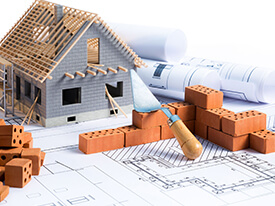
ARCHITECTURAL DESIGN
Architectural design is the stage where ideas are translated into buildable form. Our design support service helps clients move from concept to coordinated documentation with a practical focus on how the project will actually be built, used, and maintained. We believe design should not be detached from delivery. A strong design process should address layout quality, structural logic, natural light, circulation, utility routing, and budget discipline at the same time. When these issues are resolved early, the project becomes easier to price, easier to approve, and easier to build.
We begin by understanding the client's needs in functional terms. That means discussing how the building will be used day to day, what spaces matter most, what level of flexibility is required, and how the project should respond to the site. At this stage, we help shape the brief into a workable direction rather than rushing straight into drawings. Good briefing reduces later redesign and helps ensure that the design reflects actual priorities rather than assumptions. For residential work, that can include relationships between rooms, privacy levels, storage, service spaces, circulation, expansion potential, and the desired balance between cost and finish quality.
From there, we support concept development and layout refinement. This includes testing arrangements, massing logic, room planning, openings, vertical circulation, and the relationship between indoor and outdoor areas. A concept is only useful if it can survive the pressures of cost, approvals, structural coordination, and construction sequencing. That is why we review ideas against practical delivery constraints while the design is still flexible. Adjustments made at this stage are far less expensive than changes introduced after technical information or construction has already begun.
As the design progresses, documentation and coordination become critical. We help organise the drawings and technical information needed for pricing, approvals, and construction input. This includes making sure that architectural intent aligns with structural and service requirements, and that the information issued is clear enough to reduce ambiguity on site. Projects often struggle when design information is incomplete or poorly coordinated, leading to conflicting assumptions by contractors and specialist trades. We work to reduce those gaps so that the project has a stronger technical foundation before it reaches site.
Architectural design should also respond to long-term use, not only first impressions. We therefore consider durability, maintenance, climatic response, and the future adaptability of the building. A well-designed home or residential development should perform well over time, not only at handover. Our role is to help clients shape designs that are efficient, practical, and realistic to build while still delivering character, clarity, and value. Design is most effective when it creates confidence for the next stage of the project rather than uncertainty.
Wallace Shelter Homes
Wallace Shelter Homes, 109 S Washington Street, Suite 2104, Tiffin, OH 44883